






How to Mix Modern and Vintage Styles in Your Home
The combination of contemporary and vintage design is as easy as a construction of the ideal playlist, some old, some new, a lot of personality. When it is properly combined, the mix will bring warmth and depth into your home and the character that a single design style cannot give to your home.
But the real magic? It does not need a professional designer. Just a thoughtful balance.
Have you ever envied the easily classy houses that always look vintage, yet somehow still modern, this tutorial will tell you how to do it.
[edit] 1. Beginning With a Clean, Contemporary Foundation.
Contemporary design is characterised by straight line, muted colour, and free spaces. The polished floor provides your old clothes with the space to shine without cluttering.
Think:
- Angelic walls (white, beige, soft gray).
- Only minimalist furniture having minimal silhouettes.
- Unbroken floor lines
- Ample natural light
When your base is ready, it is possible to add some vintage objects in a more deliberate and bold manner.
[edit] 2. Wear Vintage Luxuries as Proclamation Moments.
Vintage items tell stories. They are historical, textural and soulful.
Rather than placing them here and there as they fall, wear them as the statement pieces.
A few of the best statement pieces of the vintage:
- An antique wooden chest
- A retro armchair
- A mid-century coffee table
- A classic rug
- A unique heirloom accessory
- A great wall clock of antique style.
Breathe every piece of the statement. It does not require competition it only requires attention.
[edit] 3. The old and new must be balanced by means of repetition.
Harmony ensures that your blend does not seem messy.
Attempt to repeat several important parts of your area:
- A recurring colour
- A specific type of wood
- A uniform veneer (such as brass or matte black)
- Repetition of forms such as circles, arches or rectangles of pure lines.
This minor repetition is the visual linkage between modern and vintage.
[edit] 4. Layered Materials to the Rescue.
The combination of styles plays well when combined with materials.
Combine:
The juxtaposition is three-dimensional - a contemporary sofa with an old-fashioned side table of the level of distress is purposeful and painterly.
[edit] 5. Add Decor that is Vintage to fill the gaps between the styles.
When you are not prepared to invest in full-fledged vintage furniture, then the vintage-inspired decor is the right entry point.
Examples include:
- Retro-style vases
- A large retro-inspired wall timepiece.
- A distressed picture frame
- Industrial-style lighting
- A classic patterned rug
These works fit perfectly with contemporary furniture and provide a personality.
[edit] 6. Don’t Be Afraid to Mix Eras
Vintage does not simply refer to a single period of time.
You are able to overlay various times and make the collected-throughout-time appearance.
For example:
- A mid-century modern chair
- Companied with a Victorian mirror.
- Dressed beside a smooth-surfaced contemporary lamp.
Diverse times may be used together so beautifully when in a unified palette of colours and materials.
[edit] 7. Modern Art + Old Furniture or Old Art + Modern Furniture.
Room is interesting with contrasts.
Try:
- Modern art between two old wooden consoles.
- Combining a metal shelf that is smooth with an old ceramic vase.
- Placing a retro reading chair next to an abstract sculpture.
This opposites attract style is classy and refined.
[edit] 8. Make Vintage Respectable, Not Ornamental.
Old does not necessarily implied delicate or entirely decorative. Look for items with purpose.
Ideas include:
- Using an old trunk in the form of a coffee table.
- Storing into old crates.
- Making the house a retro clock with a functional clock.
- Converting an old dresser into a bathroom Vanity.
The use of old pieces in new ways makes your space functional and very spiritual.
[edit] 9. Focus on Quality and not Quantity.
The combination of an assortment of items never looks good and a few carefully selected vintage pieces will always appear better.
There is quality that makes the blend not cluttered.
Choose items with:
- Authentic craftsmanship
- Interesting details
- Solid materials
- Unique shapes
One fashionable antique item will transform a room.
[edit] 10. Allow the Mix to Be a Reflection of Your Personality.
The ideal homes are not furnished in showcase style, but in an individual way.
Don’t overthink rules. Select objects that arouse feelings, recollections or happiness.
And that is to say the matching of a smooth contemporary sofa to the fabulous upholstered side table of your grand mom and your vintage-style large wall clock you adore.
Your house ought to speak, about you.
[edit] Final Thoughts
Balancing, creativity and confidence are all that is required when mixing modern and vintage styles. Clean lines and rich texture and new vs nostalgic make the home a place that is layered and warm and beautifully timeless.
Use a neutral base, add vintage flavour using statement pieces, have fun with textures, and express yourself through each option.
In no time you will be able to have a home that looks fancy, heartfelt, and like yourself.
--Asshu
Featured articles
Check out some of the best features and news from Designing Buildings as well as key stories from around the web.

Channel 4 broadcaster to host 125th anniversary ceremony.
Listed structures on the rail network
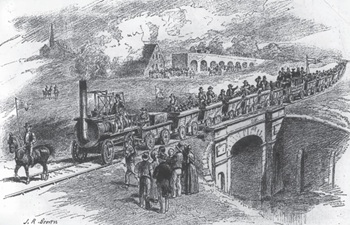
Heritage interests and operational requirements must be balanced.
Historic England publishes research into embodied carbon when retrofitting traditional buildings.

New Prime Minister delivers on ECA call for cut in electricity costs.

CIOB reacts to the announcement of Andy Burnham as Prime Minister.

Heritage and conservation science workforce survey - Have your say.

England's Suburbs 1820-2020. Book review.

New, more proportionate and targeted approach for higher-risk building assessments.

Government brings British Steel into public ownership.

UKCW Birmingham returns with bold new theme and focus.

New guidance published on competence requirements for self-certification schemes.
Construction Management, 8 July
NEETs crisis drives interest in trades, but apprenticeships barriers remain.